

Transform your new hire experience with thoughtfully designed onboarding kits that build instant connections, boost engagement, and set the foundation for long-term success from day one.
The First Day Experience That Sets the Tone
The first day at a new job is filled with a unique blend of excitement and uncertainty. New employees arrive eager to make a strong impression, yet they're navigating unfamiliar territory—new faces, new processes, and a company culture they're only beginning to understand. This critical moment sets the tone for their entire journey with your organization, and how you welcome them can dramatically influence their long-term engagement and success.
A thoughtfully designed employee onboarding kit transforms this potentially awkward transition into a moment of genuine connection. When a new hire walks into their workspace—or opens a package at their home office—and discovers a curated collection of welcome materials, something powerful happens. The gesture communicates that their arrival was anticipated, that they're valued, and that they already belong. This immediate sense of inclusion can reduce first-day anxiety by up to 50%, allowing new employees to focus on building relationships and absorbing information rather than worrying about fitting in.
The impact extends beyond emotional comfort. A well-crafted onboarding kit provides new hires with the practical tools and information they need to navigate their first weeks successfully. Instead of scrambling to find basic supplies or repeatedly asking where to access key resources, they arrive equipped and ready to contribute. This seamless integration accelerates their path to productivity while reinforcing your company's commitment to supporting their success from the very beginning.
Essential Components of a Memorable Onboarding Kit
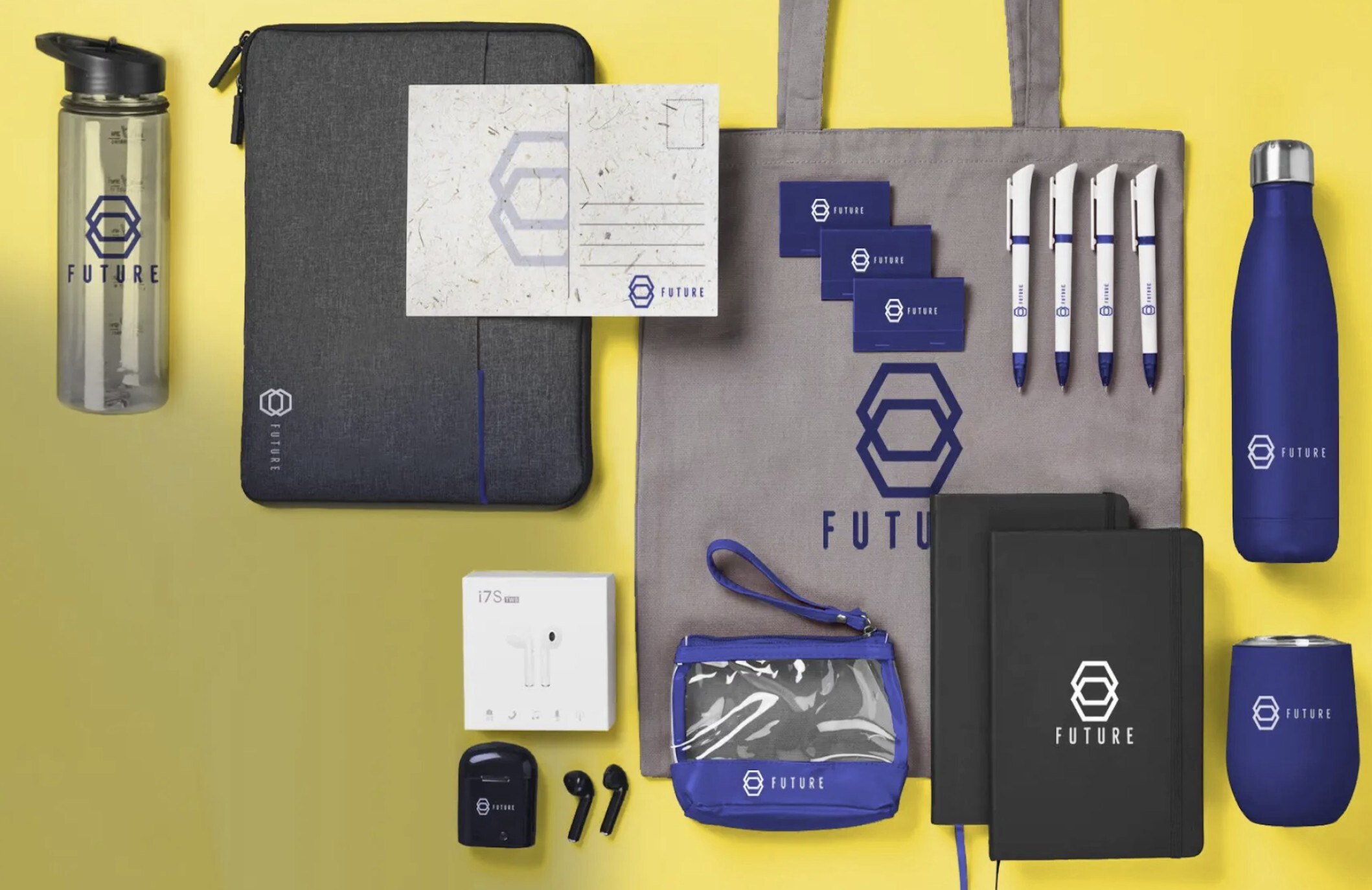
Creating an onboarding kit that truly resonates requires balancing practical necessities with thoughtful touches that reflect your company's personality. The foundation starts with high-quality, functional items that new employees will use daily. A durable, well-designed bag or backpack serves as both a practical carrier and a visible symbol of their connection to your organization. Consider options that offer versatile functionality—bags that can transition from professional meetings to casual coffee shops—reflecting the modern work environment where boundaries between office and remote settings increasingly blur.
Inside, include essentials that demonstrate attention to detail: a welcome letter from leadership that feels personal rather than templated, a comprehensive guide to company culture and values, and practical resources like organizational charts and key contact information. Technology accessories—laptop sleeves, tablet cases, cable organizers, and quality charging solutions—show that you understand the digital nature of modern work. These items should prioritize both protection and style, combining durability with aesthetic appeal that new hires will be proud to use.
The most memorable onboarding kits incorporate elements that tell your company's story. Branded items should feel premium rather than promotional, reflecting quality craftsmanship that employees genuinely want to use. Include sustainable, eco-friendly products that align with contemporary values around environmental responsibility. A reusable water bottle, notebook made from recycled materials, or accessories crafted from repurposed fabrics communicate that your organization thinks beyond short-term impressions to long-term impact. Consider adding a small but meaningful gift—perhaps supporting a cause your company champions—that creates an emotional connection beyond the transactional nature of employment.
Building Cultural Connection Through Thoughtful Design
Your onboarding kit serves as a tangible representation of your company culture, making abstract values concrete through careful design choices. Every element—from color schemes and materials to messaging and packaging—should authentically reflect who you are as an organization. If innovation drives your company, showcase cutting-edge accessories that demonstrate forward-thinking design. If sustainability is core to your mission, ensure every component reinforces this commitment through recycled materials, ethical sourcing, and minimal waste packaging.
The design aesthetic should strike a balance between professional polish and approachable warmth. Overly corporate presentations can feel cold and impersonal, while overly casual approaches may lack the gravitas that makes new hires feel they've joined something significant. The sweet spot lies in creating an experience that feels both elevated and genuine—premium quality that doesn't take itself too seriously, sophistication balanced with accessibility. This reflects the modern professional who values substance and style equally, someone who appreciates thoughtful design without unnecessary pretension.
Consider how your onboarding kit bridges the gap for remote and hybrid employees who may never visit a physical office regularly. For these team members, the kit becomes their primary physical connection to company culture. It must work harder to convey belonging and community when in-person interactions are limited. Include elements that facilitate virtual connection—perhaps a guide to navigating digital collaboration tools, tips for setting up an inspiring home workspace, or even a small item that becomes a conversation starter during video calls. The goal is creating touchpoints that remind remote employees they're integral to the team, regardless of physical distance.
Practical Tools That Support Everyday Success
Beyond symbolic value, your onboarding kit should equip new employees with genuinely useful tools that support their daily workflow. Start by considering the specific needs of their role and work environment. For employees who travel frequently, include luggage tags, packing organizers, or checkpoint-friendly bags that streamline the business travel experience. For those managing hybrid schedules, provide accessories that make transitioning between home and office seamless—convertible bags that adapt to different carrying preferences, organizers that keep tech accessories tangle-free, or portable solutions for impromptu work sessions.
Technology protection and organization deserve special attention in today's device-dependent workplace. High-quality laptop sleeves and tablet cases that accommodate various screen sizes (up to 15.6 inches is standard) provide essential protection while conveying that you care about safeguarding the tools employees need to succeed. Include cable management solutions, portable chargers, and perhaps a wireless mouse or ergonomic accessories that enhance comfort during long work sessions. These practical additions demonstrate understanding of the modern professional's pain points and your commitment to addressing them.
Don't overlook comfort and ergonomics, particularly for employees who spend significant time commuting or traveling. Padded straps, ergonomic handles, and lightweight but durable materials make daily routines more pleasant. Include items like a quality notebook and premium pen for those who appreciate analog tools alongside digital solutions, or a desk organizer that brings order to their new workspace. The goal is anticipating needs before they arise, equipping new hires so thoroughly that they can focus entirely on learning, contributing, and building relationships rather than acquiring basic supplies.
Measuring the Impact of Your Onboarding Investment
Investing in quality onboarding kits represents more than a nice gesture—it's a strategic decision that delivers measurable returns when implemented thoughtfully. Start by establishing baseline metrics before introducing or upgrading your onboarding program. Track key indicators like time-to-productivity, early retention rates (particularly during the critical first 90 days), and employee engagement scores among new hires. These quantitative measures provide concrete data about how your onboarding approach influences outcomes that matter to organizational success.
Qualitative feedback offers equally valuable insights into your onboarding kit's effectiveness. Conduct surveys at 30, 60, and 90-day intervals asking new employees about their initial impressions, whether the welcome materials helped them feel connected to company culture, and how useful they found the practical items included. Pay attention to which elements generate the most positive responses and which might be overlooked or underutilized. This feedback loop allows continuous refinement, ensuring your onboarding investment evolves with changing employee expectations and organizational needs.
The broader business impact becomes apparent through improved retention and engagement metrics. Companies with exceptional onboarding programs see 82% higher new hire retention and 70% greater productivity compared to those with weak or inconsistent approaches. When new employees feel genuinely welcomed and equipped for success from day one, they're more likely to become engaged contributors who advocate for your organization. They arrive at full productivity faster, require less management intervention during the transition period, and develop stronger connections to company culture. The upfront investment in thoughtful onboarding kits pays dividends through these compounding benefits—reduced turnover costs, enhanced team cohesion, and a stronger employer brand that attracts top talent. In an era where first impressions increasingly happen through physical materials sent to remote employees, the quality and thoughtfulness of your onboarding kit can differentiate your organization in a competitive talent market.